Henry: A Playful Font That Adds Personality to Digital Content
Fonts are more than just tools for displaying text—they are essential in shaping the tone, style, and overall impression of any digital content. Among the many fonts available, Henry stands out as a quirky sans serif-style display font that brings a sense of fun and approachability to headlines and titles. With its bouncy and round letters, Henry is designed to capture attention while maintaining readability. This article explores the unique characteristics of Henry, its practical applications, and why it has become a favorite among designers, creators, and content producers across various industries.
The Unique Characteristics of Henry
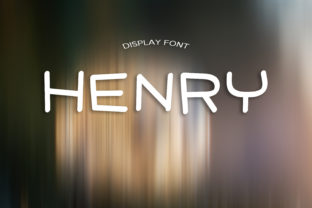
Henry is a display font that immediately draws the eye with its playful and distinctive design. Unlike traditional sans serif fonts that prioritize minimalism and efficiency, Henry introduces a sense of motion and energy through its rounded edges and slightly exaggerated forms. The font’s letterforms have a gentle bounce to them, giving the impression of movement even when static. This makes Henry particularly effective for headlines, banners, and other visual elements where impact is key.
One of the most notable features of Henry is its versatility. While it is primarily intended for use as a display font, its clean lines and balanced proportions allow it to be used in a variety of contexts. From branding materials to web headers, Henry can adapt to different environments without losing its charm. Its ability to convey both professionalism and playfulness makes it an excellent choice for projects that require a friendly yet polished aesthetic.
Another advantage of Henry is its legibility. Despite its whimsical appearance, the font remains highly readable even at smaller sizes. This is especially important for digital content where users may encounter the font on screens of varying resolutions. The spacing between characters is carefully optimized to ensure clarity, making Henry suitable for both short and long-form text.
Practical Applications of Henry
The playful nature of Henry makes it well-suited for a wide range of applications. One of the most common uses is in headlines and titles. Whether you're designing a website, creating marketing materials, or working on a presentation, Henry can help make your headings stand out. Its bouncy and round letters add a touch of personality that can make your content feel more engaging and approachable.
In addition to headlines, Henry is also an excellent choice for logos and brand identities. The font's unique character allows it to create a memorable visual identity that reflects the brand's personality. For example, a children's educational platform might use Henry to convey a sense of fun and creativity, while a wellness brand could use it to suggest a relaxed and positive lifestyle.
Henry is also useful in user interfaces and app design. In these contexts, the font can be used for buttons, call-to-action elements, and other interactive components. Its friendly and inviting appearance can encourage user engagement by making the interface feel more human and less mechanical.
For creative professionals such as graphic designers, illustrators, and typographers, Henry offers a fresh and original option for typography projects. Its distinctive style can be used to create custom typefaces, posters, and other visual compositions that stand out from the crowd. By incorporating Henry into their work, designers can add a unique flair that sets their projects apart.
Why Henry Works Well for Different Audiences
Henry's appeal extends beyond just designers and creatives—it resonates with a broad audience including professionals, consumers, educators, and business owners. For professionals, Henry provides a way to add personality to presentations, reports, and other professional documents without sacrificing professionalism. Its playful yet clean design makes it suitable for a wide range of industries, from technology to healthcare.
Consumers often encounter Henry in advertising and marketing campaigns. Its cheerful and approachable nature helps brands connect with their target audience on a more personal level. Whether it's used in social media posts, email newsletters, or product packaging, Henry can help create a stronger emotional connection between the brand and the consumer.
Educators and researchers may find Henry useful for creating engaging learning materials. Its friendly and inviting appearance can help make educational content more accessible and enjoyable for students. Additionally, its readability ensures that important information is communicated clearly and effectively.
Business owners can benefit from using Henry in their branding and marketing efforts. The font's unique style helps create a memorable brand identity that can differentiate their business from competitors. Whether it's used in signage, promotional materials, or online content, Henry can help businesses communicate their message in a more engaging and impactful way.
Considerations When Using Henry
While Henry is a versatile and expressive font, there are a few considerations to keep in mind when using it. First, because of its playful nature, it may not be the best choice for all types of content. For example, formal documents or legal texts may require a more traditional and conservative font to maintain a sense of authority and professionalism.
Another consideration is the font size and spacing. While Henry is highly readable, its bouncy and round letters can sometimes cause issues with line spacing and character spacing if not used properly. It's important to test the font in different contexts to ensure that it looks good and functions well in all situations.
Finally, it's worth noting that Henry is a display font, which means it should be used sparingly. Overusing it can lead to visual clutter and reduce the effectiveness of your design. Instead, consider using Henry for headlines and titles, and pair it with a more standard font for body text to create a balanced and visually appealing layout.
Examples of Henry in Action
To better understand how Henry can be used in practice, let's look at a few examples. Imagine a tech startup that wants to launch a new app. They decide to use Henry for their app's title and main navigation buttons. The result is a modern and friendly interface that feels approachable and easy to use. Users are immediately drawn to the app's name and are more likely to engage with the content.
Another example is a local bakery that uses Henry in their logo and packaging. The font's playful and inviting appearance helps create a warm and welcoming atmosphere, making customers feel like they're walking into a cozy café rather than a commercial establishment. This can significantly enhance the customer experience and encourage repeat visits.
In the world of education, a university might use Henry in their promotional materials and course descriptions. The font's friendly and approachable nature helps make the institution feel more accessible and student-friendly. This can be especially beneficial for attracting prospective students who are looking for a supportive and inclusive learning environment.
These examples illustrate how Henry can be used in a variety of contexts to create a unique and engaging visual experience. Whether it's for branding, marketing, or content creation, Henry has the potential to make a lasting impression on audiences.