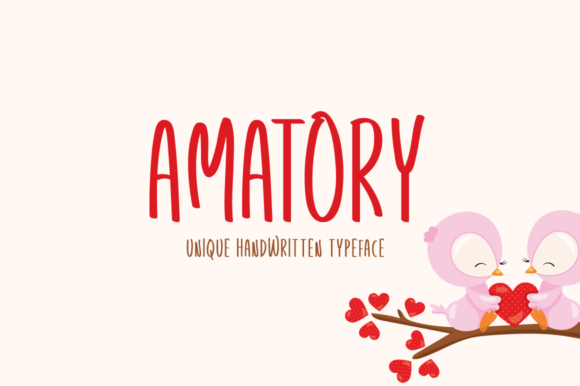
Amatory: A Quirky Display Font That Adds Personality to Your Message
Looking for a font that stands out from the crowd? Amatory is a unique display font with quirky letters that can add charm and character to any message. Whether you're designing a logo, creating social media content, or crafting a website, Amatory offers a playful yet professional look that can elevate your design work.
This font is especially popular among creators, marketers, bloggers, and entrepreneurs who want to convey a sense of fun and individuality in their communication. However, like any tool, it comes with its own set of considerations and potential pitfalls. Understanding these can help you use Amatory effectively and avoid common mistakes that might compromise your project's quality.
What Is Amatory and Why It Appeals to Designers
Amatory is a display font known for its distinctive letterforms and whimsical style. Each character has a slightly irregular shape, giving the text a hand-drawn, almost playful appearance. This makes it ideal for headlines, banners, posters, and other visual elements where you want to grab attention without being too serious.
Its appeal lies in the way it adds personality to text. Unlike traditional sans-serif or serif fonts, Amatory brings a sense of warmth and uniqueness to any design. This is why many designers and content creators choose it for branding materials, promotional campaigns, and even digital content that needs a more human touch.
Common Mistakes When Using Amatory
While Amatory can be a great choice, there are some common mistakes that users often make when incorporating it into their projects. These errors can affect readability, aesthetics, and overall effectiveness.
Mistake 1: Overusing Amatory
One of the biggest mistakes is using Amatory for every piece of text on a page. While it's great for headlines or call-to-action buttons, using it for body text can be overwhelming and reduce readability. The quirky nature of the font can become distracting if used excessively.
Better Approach: Reserve Amatory for short, impactful phrases or titles. For body text, stick to a clean, readable font such as Arial, Helvetica, or Roboto. This ensures that your message remains clear and easy to follow.
Mistake 2: Not Considering Color Contrast
Another common error is not paying enough attention to color contrast when using Amatory. Because of its unique shapes, the font may not always render well on certain backgrounds. If the background is too similar in tone to the font color, the text can become hard to read.
Better Approach: Always test your design on different screen sizes and lighting conditions. Use tools like WebAIM’s Contrast Checker to ensure that your text is legible against its background. Stick to high-contrast combinations like black text on white or dark blue text on light gray.
Mistake 3: Ignoring Licensing Restrictions
Some users may overlook the licensing terms associated with Amatory. Depending on how you plan to use the font—whether for personal projects, commercial use, or embedding in websites—you may need specific permissions or paid licenses.
Better Approach: Before downloading or purchasing Amatory, carefully review the license agreement. Make sure you understand what rights you have and whether you need additional permissions for certain uses. Many font foundries offer free versions for personal use but require payment for commercial applications.
How to Choose the Right Version of Amatory
There are several versions of Amatory available, each with different weights, styles, and features. Choosing the right one depends on your specific needs and the context in which you'll be using the font.
- Lightweight Versions: Ideal for headings or logos where you want a subtle yet stylish look.
- Bold Versions: Great for large-scale designs, billboards, or anything that needs to stand out from a distance.
- Extended Character Sets: Some versions include special characters, symbols, or alternate glyphs that can enhance the visual appeal of your design.
Before making a decision, consider the purpose of your project, the platform where the font will be used (print vs. digital), and the audience you're targeting. This will help you select the version that best suits your needs.
Practical Tips for Using Amatory Effectively
To get the most out of Amatory, keep these tips in mind:
- Use It Sparingly: As mentioned earlier, limit the use of Amatory to key visual elements rather than entire pages of text.
- Pair It with Complementary Fonts: Combine Amatory with a simpler font for body text. This creates a balanced and visually appealing layout.
- Test Across Devices: Ensure that Amatory displays correctly on all devices, including mobile phones, tablets, and desktops. Some fonts may not render properly on certain platforms.
- Check for Readability: Even though Amatory is visually striking, it should still be easy to read. Avoid using it in small sizes or low-resolution environments where details might be lost.
Final Thoughts on Amatory
Amatory is a versatile and expressive font that can add a unique flair to your designs. However, like any creative tool, it requires thoughtful application to achieve the best results. By avoiding common mistakes and following practical guidelines, you can use Amatory to create engaging, memorable, and effective visual content.
Whether you're a beginner just starting out or an experienced designer looking for new inspiration, Amatory offers a fun and creative option that can help you stand out in a crowded digital landscape. Just remember to use it wisely and with purpose.