Warox: The Grungy Font That Adds Raw Edge to Modern Design
Understanding the Essence of Warox
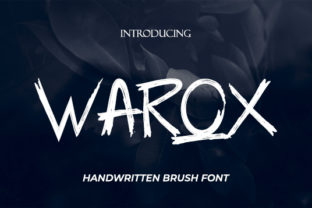
Warox is a display font that stands out in a world dominated by sleek and polished typefaces. With its rough and raw characteristics, it brings a grungy feel to any design project. This unique font has captured the attention of designers looking for something different—something that can add texture, character, and a sense of authenticity to their work.
The name "Warox" itself evokes a sense of intensity and energy. It's not just a font; it's a statement. Its jagged edges, uneven strokes, and irregular spacing create a visual impact that is both bold and unconventional. Whether used for headlines, logos, or digital art, Warox delivers an unmistakable presence that demands attention.
Characteristics That Define Warox
What sets Warox apart from other fonts is its ability to convey a mood. It’s not just about the look—it’s about the feeling it evokes. Here are some key features that define Warox:
- Rough Edges: The font's design mimics the imperfections found in hand-drawn or graffiti-style lettering. These edges give it a gritty, almost rebellious aesthetic.
- Uneven Strokes: Unlike traditional fonts with uniform thickness, Warox uses varying stroke widths to create a dynamic and unpredictable look.
- Irregular Spacing: Letters are spaced in a way that feels organic rather than mechanical. This adds to the font's raw, unpolished charm.
- High Contrast: The contrast between thick and thin parts of the letters enhances the visual depth and gives the text a more three-dimensional appearance.
These characteristics make Warox ideal for projects where a sense of rebellion, edginess, or nonconformity is desired. It’s a font that speaks to the soul of the designer and the message they want to convey.
Advantages of Using Warox in Design Projects
While Warox may not be suitable for every design scenario, it offers several advantages when used appropriately. One of the biggest benefits is its ability to stand out. In a sea of clean, minimalist fonts, Warox breaks the mold and grabs attention instantly.
Another advantage is its versatility. Despite its grungy appearance, Warox can be adapted to a variety of contexts. For example, it works well in music-related projects, such as album covers, band logos, or concert posters. It also finds a place in street art, tattoo designs, and even fashion branding where a rugged, urban vibe is desired.
Additionally, Warox adds emotional depth to a design. It conveys a sense of urgency, intensity, or even chaos, which can be powerful in storytelling or brand messaging. This makes it a valuable tool for designers who want to evoke specific emotions in their audience.
Real-World Use Cases for Warox
Warox isn't just a theoretical concept—it's being used in real-world applications across various industries. Let's take a look at some of the most common use cases:
- Musical Branding: Bands and musicians often use Warox for album titles, tour posters, and merchandise. The font's raw edge aligns perfectly with the rebellious spirit of rock, punk, and alternative music genres.
- Street Art and Graffiti: Artists who work in public spaces frequently incorporate Warox into their pieces. The font's grungy style mirrors the aesthetics of urban art, making it a natural fit.
- Tattoo Designs: Tattoo artists sometimes use Warox to create unique and edgy designs. The font's roughness can be softened with additional elements like shading or color, but it retains its distinctive character.
- Fashion and Apparel: Clothing brands that aim to project a tough, no-nonsense image often use Warox on their logos and packaging. It helps reinforce the brand's identity and appeal to a specific demographic.
- Digital Media: In web design and digital marketing, Warox can be used sparingly to create focal points or emphasize key messages. It's especially effective in headlines or call-to-action buttons where a strong visual impact is needed.
These examples show how Warox can be integrated into different design disciplines while maintaining its core identity. It's not just a font—it's a tool that can shape the overall tone and direction of a project.
Considerations When Using Warox
While Warox offers many benefits, there are also some considerations to keep in mind before using it in your design. First and foremost, it's important to understand the context in which the font will be used. Warox may not be appropriate for formal or professional settings where a clean and polished look is required.
Second, readability is a concern. Because of its rough and uneven structure, Warox can be difficult to read at smaller sizes or in low-resolution environments. It's best used for large-scale text, such as headlines, banners, or signage, where legibility is less of an issue.
Finally, it's crucial to balance Warox with other design elements. While it can be striking on its own, pairing it with complementary fonts, colors, and imagery can help create a cohesive and visually appealing composition.
How to Incorporate Warox into Your Workflow
If you're interested in using Warox in your design projects, here are a few tips to help you get started:
- Experiment with Different Sizes: Try using Warox in various sizes to see how it looks in different contexts. Larger sizes tend to highlight its strengths, while smaller sizes may require adjustments for clarity.
- Pair It with Clean Fonts: To avoid overwhelming the viewer, pair Warox with a simpler, more readable font for body text. This creates a nice contrast and keeps the design balanced.
- Use It Sparingly: Since Warox is a display font, it should be used sparingly. Overusing it can make the design feel cluttered or unprofessional.
- Play with Color and Texture: Experiment with different color schemes and textures to enhance the visual impact of Warox. Adding shadows, gradients, or overlays can help bring out the font's unique qualities.
By following these guidelines, you can effectively incorporate Warox into your design workflow and make the most of its distinctive characteristics.