Block: A Playful Font That Embraces Abstract Shapes with Eclectic Beauty
The world of typography is vast and ever-evolving, with new typefaces emerging to meet the diverse needs of designers, marketers, and content creators. Among these, Block stands out as a unique display typeface that celebrates abstract shapes in all their eclectic beauty. Designed with a playful yet conceptual approach, Block offers a fresh perspective on how text can be both functional and artistic. Whether you're crafting a brand identity, designing a website, or preparing a presentation, this font brings a distinctive visual flair that can elevate your work.
What Is Block and Why It Matters
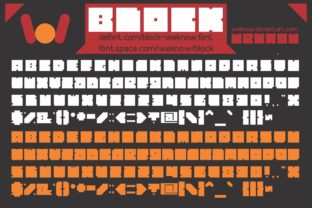
Block is a display typeface that breaks away from traditional typographic conventions by emphasizing bold, geometric forms and abstract structures. Unlike conventional fonts that prioritize legibility and uniformity, Block embraces irregularities and asymmetry to create a dynamic visual impact. This makes it particularly well-suited for projects where creativity and originality are key.
At its core, Block is designed to draw attention. Its strong, block-like characters are ideal for headlines, logos, and other elements where visual prominence is essential. The font’s structure allows for expressive use, making it a versatile choice for those looking to make a statement without sacrificing readability.
Key Characteristics of Block
One of the most notable features of Block is its emphasis on abstract shapes. Each character is constructed using sharp angles and contrasting lines, creating a sense of movement and energy. This design philosophy results in a font that feels both modern and unconventional, offering a striking alternative to more standard sans-serif or serif options.
Another strength of Block lies in its playfulness. While many display fonts aim for grandeur or elegance, Block leans into a more whimsical aesthetic. This makes it especially appealing for creative professionals who want to inject personality into their designs. The font's ability to convey emotion through form sets it apart from more neutral typefaces.
In terms of usability, Block performs best in large sizes where its structural details can be fully appreciated. However, when used appropriately, it can also function effectively in smaller contexts such as subheadings or callout boxes. Its versatility across different scales adds to its practical value.
Real-World Applications and Performance
Block is not just an aesthetic experiment; it has real-world applications that make it valuable to a range of professionals. For instance, branding specialists might find it useful for creating logos or packaging that stand out in a crowded marketplace. Its bold, eye-catching nature can help establish a memorable visual identity.
Web designers can benefit from using Block in hero sections, banners, or promotional materials where they need to capture attention quickly. The font's distinctiveness ensures that key messages are not only seen but also remembered.
For content creators and bloggers, Block can add a touch of personality to headings or titles, helping to break up dense blocks of text and guide readers through the content. Its use should be balanced, however, to avoid overwhelming the reader.
Despite its strengths, it's important to recognize that Block may not be suitable for all contexts. Due to its stylized nature, it should be used sparingly and thoughtfully. Overuse could lead to a cluttered or confusing visual experience, especially in long-form text or complex layouts.
Who Can Benefit from Using Block
Block is particularly well-suited for individuals and organizations that value creativity and originality. This includes:
- Entrepreneurs and small business owners looking to build a unique brand identity.
- Marketers and advertisers aiming to create visually compelling campaigns.
- Freelancers and designers who want to showcase their work with a distinctive style.
- Bloggers and publishers seeking to enhance the visual appeal of their content.
- Educators and presenters who need engaging visuals to support their message.
Each of these groups can leverage Block to communicate ideas in a way that is both effective and memorable. However, it's crucial to consider the audience and context before incorporating the font into any project.
Quality, Usability, and Long-Term Value
In terms of quality, Block is well-crafted, with consistent stroke weights and clean outlines that contribute to its overall professionalism. While it may not be the most readable option for body text, its design integrity ensures that it maintains a high level of visual appeal.
The usability of Block depends largely on how it's implemented. As a display font, it excels in environments where it can be given the space to shine. When used correctly, it can significantly enhance the visual hierarchy of a design, guiding the viewer's eye toward important information.
From a long-term value perspective, investing in a font like Block can provide lasting benefits. Its uniqueness means it can become a signature element of a brand or project, setting it apart from competitors and leaving a lasting impression on audiences.
Practical Recommendations and Limitations
To get the most out of Block, it's recommended to pair it with simpler, more readable fonts for body text. This creates a balanced visual contrast that enhances both aesthetics and functionality. Additionally, experimenting with spacing, color, and size can help achieve the desired effect.
While Block is a powerful tool, it's important to be mindful of its limitations. Its stylized nature may not be appropriate for formal or academic settings where a more conservative approach is preferred. Similarly, it may not be the best choice for projects requiring high levels of accessibility, such as websites aimed at users with visual impairments.
Ultimately, whether Block fits your needs will depend on your specific goals, audience, and design requirements. By understanding its strengths and limitations, you can determine if it's the right choice for your next project.