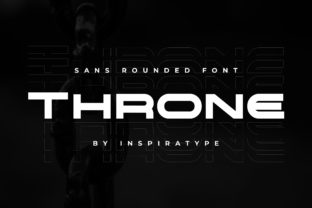
Best in Class: A Strategic Font for Impactful Design and Communication
Best in Class is more than just a font—it's a strategic design tool that can elevate the visual impact of your projects, whether you're crafting marketing materials, designing branding assets, or creating content for your audience. This unique display type font brings a playful yet professional energy to any design, making it an ideal choice for those looking to add personality without sacrificing clarity. Alongside Best in Class, you also gain access to two bonus fonts: Chocolate Valentine and Tresno In Love, each offering distinct stylistic options to match different creative goals.
Why Best in Class Matters in Design Strategy
Fonts are not just about aesthetics; they play a crucial role in how messages are received and interpreted. Best in Class stands out because of its ability to communicate both fun and professionalism simultaneously. It’s particularly useful in scenarios where the goal is to engage audiences while maintaining a sense of credibility. For instance, entrepreneurs launching new products might use this font on packaging or promotional materials to create a memorable first impression that feels both inviting and trustworthy.
When used thoughtfully, Best in Class can support various aspects of your project—from brand positioning to customer experience. Its versatility allows it to be used across multiple platforms, including websites, social media posts, presentations, and print collateral. The key is to align its use with your overall brand identity and communication strategy.
Strategic Use Cases for Best in Class
- Branding and Identity: Incorporating Best in Class into logos, business cards, or website headers can help establish a unique visual identity that resonates with your target audience.
- Marketing Materials: From brochures to email campaigns, this font adds a touch of creativity that can make your message stand out in a crowded marketplace.
- Social Media Content: Captions, headlines, and call-to-action buttons benefit from the attention-grabbing nature of Best in Class, especially when aiming to increase engagement.
- Presentations and Reports: Using this font sparingly in titles or headings can enhance readability while adding a layer of personality to your content.
Planning Your Approach with Best in Class
Before integrating Best in Class into your designs, it's essential to consider your objectives. Are you aiming to build brand recognition, drive conversions, or simply enhance the visual appeal of your content? Understanding your goals will guide how and where to apply this font effectively.
A practical approach involves testing Best in Class in different contexts. Start by applying it to one section of your design—perhaps a headline or a tagline—and observe how it affects the overall look and feel. If it aligns well with your brand voice and messaging, you can gradually expand its use across other elements.
It’s also important to balance the use of Best in Class with other fonts that complement it. Pairing it with a clean, sans-serif font for body text ensures readability while allowing the display font to shine as a focal point.
Considerations Before Relying on Best in Class
While Best in Class offers many benefits, there are situations where its use may not be appropriate. For example, if your brand has a formal or traditional image, overusing this font could undermine the intended tone. Additionally, using it excessively in small text sizes can reduce legibility, which is why it's best reserved for headings, titles, and short phrases.
Another consideration is accessibility. While Best in Class is visually appealing, it's important to ensure that it doesn't compromise the readability of your content for users with visual impairments. Always pair it with high-contrast colors and sufficient spacing to maintain accessibility standards.
Maximizing Long-Term Value with Best in Class
Integrating Best in Class into your design toolkit isn’t just about immediate impact—it's about building a consistent and recognizable brand presence over time. When used consistently across all touchpoints, this font can become synonymous with your brand, reinforcing brand recall and loyalty.
For creators and marketers, leveraging Best in Class can also streamline the creative process. By having a go-to font that works well across different mediums, you save time and effort in selecting and adjusting typography for each project. This efficiency can lead to faster turnaround times and more cohesive output.
Additionally, exploring the bonus fonts—Chocolate Valentine and Tresno In Love—can provide even more flexibility in your design choices. These fonts offer alternative styles that can be used to differentiate between sections of a project or to match specific themes, such as holiday promotions or romantic campaigns.
Practical Tips for Using Best in Class Effectively
- Define Your Brand Voice: Understand the tone and personality of your brand before choosing fonts. This will help you determine whether Best in Class aligns with your messaging.
- Test Across Platforms: Ensure that Best in Class looks good on both digital and print formats. Some fonts render differently depending on the medium.
- Use Sparingly: Avoid overusing this font. Let it serve as a highlight rather than the main focus of your design.
- Pair with Complementary Fonts: Choose supporting fonts that contrast well with Best in Class to maintain visual harmony.
- Stay Consistent: Apply the same font style consistently across all your branding materials to build recognition and trust.
Risks of Using Best in Class Without Strategy
While Best in Class is a powerful tool, using it without clear goals or context can lead to misalignment with your brand identity. For example, applying it inappropriately in a professional setting may confuse your audience or dilute your brand message. It’s also possible to create cluttered designs if multiple fonts are used without careful planning.
Another risk is the potential for overuse, which can result in a lack of visual hierarchy and make your content harder to read. Always keep the user experience in mind and ensure that your typography supports—not detracts from—the clarity of your message.
To avoid these pitfalls, take the time to evaluate your design needs and choose fonts that align with your strategic objectives. Consider consulting with a designer or following best practices in typography to ensure that your use of Best in Class enhances your overall communication strategy.
Final Thoughts on Strategic Font Selection
Best in Class is a valuable asset for anyone looking to add a unique and engaging touch to their design work. Whether you're an entrepreneur, marketer, educator, or creator, understanding how to use this font strategically can help you achieve better results and make more informed decisions about your visual communication.
By aligning its use with your brand goals, testing it in different contexts, and pairing it with complementary fonts, you can unlock its full potential and create designs that resonate with your audience. Remember, the key to successful typography lies in thoughtful application and consistency—so use Best in Class intentionally to support your long-term vision and outcomes.