Madras Font: A Bold Sans Serif for Impactful Design
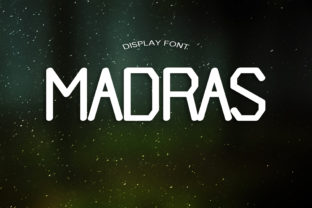
Madras is a blocky and thick display font that brings a powerful presence to any design project. With its clean sans serif style, it's perfect for making statements in branding, marketing, and editorial work. Whether you're designing a logo, creating social media graphics, or working on packaging, Madras adds a strong visual punch without sacrificing readability.
What Makes Madras Stand Out?
Madras has a distinctive look with its bold, geometric shapes and thick strokes. Unlike more rounded or decorative fonts, it offers a modern, structured feel that works well across both digital and print media. Its sans serif design gives it a contemporary edge while maintaining a sense of professionalism and clarity.
The font’s blocky structure makes it highly legible even at smaller sizes, which is a big plus for headlines, titles, and callouts. It also has a strong visual weight that can draw attention and create a sense of authority or confidence in your design.
A Font with Personality
Madras isn’t just about looks—it carries a certain personality. It feels assertive and confident, which makes it ideal for brands that want to communicate strength, reliability, or innovation. The font’s simplicity allows it to blend well with other elements without overpowering them, making it a versatile choice for various design scenarios.
Its clean lines and minimal embellishments make it suitable for both minimalist and high-impact designs. It doesn’t scream for attention but still manages to stand out when needed—making it a great all-rounder in the world of typography.
Where Madras Works Best
Madras shines in projects where a strong, clear message needs to be conveyed quickly. Here are some of the best applications for this font:
- Logo Design: Its boldness makes it a great fit for logos that need to be memorable and impactful. It works especially well for tech startups, fitness brands, and lifestyle companies looking to establish a modern identity.
- Social Media Graphics: Whether you're creating posts for Instagram, Facebook, or Twitter, Madras can help your content pop. It’s particularly effective for headlines, captions, and promotional text.
- Packaging Design: The font’s thickness and clarity make it an excellent choice for product labels, packaging, and retail displays. It ensures that key information is easy to read from a distance.
- Web Design: When used in headers, buttons, or call-to-action sections, Madras can enhance the user experience by guiding the viewer’s eye effectively.
- Editorial Design: From magazine covers to blog headers, Madras can add a touch of sophistication and modernity to your layout.
While Madras is primarily a display font, it can also be used in body text for short bursts of emphasis, such as headings or pull quotes. However, it’s important to pair it with a complementary sans serif or serif font for body copy to ensure readability and balance.
Choosing the Right Font Pairings
Selecting the right font pairing is crucial for achieving a cohesive design. Since Madras has a strong, blocky appearance, it pairs well with more delicate or contrasting fonts. For example, pairing it with a thin sans serif like Montserrat or a classic serif like Georgia can create a nice contrast between bold and subtle elements.
If you're using Madras for a brand identity, consider how it will interact with other design elements such as colors, images, and spacing. A good rule of thumb is to use Madras for primary text and reserve more traditional fonts for secondary elements like subheadings or body copy.
Practical Tips for Using Madras
Here are a few practical tips to help you get the most out of Madras in your design projects:
- Evaluate Project Fit: Before committing to Madras, think about the tone and purpose of your project. It may not be the best fit for something too whimsical or artistic, but it excels in professional and modern contexts.
- Test Readability: While Madras is highly readable, it’s always a good idea to test it in different sizes and environments. Ensure that it remains legible on screens, in print, and across various devices.
- Review Included Styles: Check if the font comes with additional weights or styles that might be useful for your project. Some versions include light, regular, bold, and extra bold variants, giving you more flexibility.
- Consider Licensing: If you're using Madras for commercial purposes, make sure you have the appropriate license. Premium fonts often require purchase or subscription, so always review the terms before using them in client work.
By considering these factors, you can ensure that Madras enhances rather than hinders your design. It’s a font that works best when used intentionally and strategically.
Real-World Examples and Recommendations
Many designers have successfully used Madras in their work. For instance, a tech company might use it for their website header to convey innovation and strength. A fitness brand could feature it in their logo to suggest power and determination. Even in publishing, it can serve as a striking headline font for articles or newsletters.
When using Madras, keep the design clean and uncluttered. Avoid overcomplicating the layout with too many visual elements. Let the font do the talking by ensuring there’s enough white space and proper alignment.
If you’re unsure whether Madras is the right fit for your project, try experimenting with different variations and see how they affect the overall look and feel. Sometimes, a simple change in font can transform a design entirely.