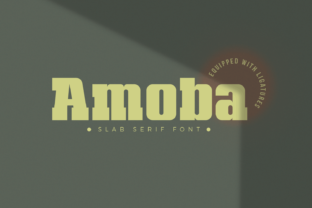
Amoba: A Bold and Thick Serif-Style Display Font with an Experimental Feel
Amoba is a display font that grabs attention with its bold, thick serifs and experimental design. It’s not your average typeface—it’s built to stand out in a world where visual noise is constant. Whether you're designing a poster, branding a product, or crafting digital content, Amoba can be the perfect tool to make your message pop.
Its unique structure gives it a strong presence on any medium, from print to screen. The weight of the letters feels deliberate, almost like they were carved from stone or cast in metal. This makes Amoba especially effective for headlines, logos, and other elements that need to command focus.
When and Where to Use Amoba
Amoba shines in situations where impact matters most. Think about a restaurant looking to create a memorable logo. Instead of using a standard sans-serif, they could use Amoba to give their brand a distinctive identity. The thick serifs add a sense of strength and tradition, while the experimental feel hints at innovation and creativity.
In the world of event design, Amoba can transform a simple flyer into something unforgettable. Imagine a music festival promoting its lineup with a bold, eye-catching headline in Amoba. It immediately conveys energy and excitement, drawing people in before they even read the details.
For digital creators, Amoba can be a game-changer. Web designers might use it for hero sections or call-to-action buttons, ensuring that important messages aren’t overlooked. Its thickness makes it highly legible even at smaller sizes, which is crucial for responsive web design.
Industries That Benefit from Amoba
The versatility of Amoba means it can be used across various industries. In fashion, it can be part of a high-end brand's identity, reinforcing a sense of luxury and exclusivity. In technology, it can be used sparingly to highlight key features or slogans, adding a touch of personality to otherwise clean designs.
Educational institutions might find Amoba useful for creating posters or banners that promote events or programs. The font's boldness ensures that information is communicated clearly and effectively, even from a distance.
Nonprofits and social enterprises can also benefit from using Amoba in their campaigns. Its experimental feel aligns well with causes that aim to challenge the status quo or inspire change. It adds a layer of intentionality to their messaging, making it more memorable.
Who Might Find Amoba Useful
Designers looking to break away from conventional fonts will appreciate the uniqueness of Amoba. It allows them to create work that stands out in a crowded market, whether they’re working on branding, packaging, or editorial design.
Small business owners who want to build a strong visual identity can leverage Amoba to differentiate themselves. A local bakery, for example, might use it in their signage or online ads to convey a sense of craftsmanship and character.
Freelancers and creative professionals often need tools that help them showcase their skills. Amoba can be a powerful asset in their portfolio, demonstrating their ability to choose and apply typography that supports their clients' goals.
Considerations Before Using Amoba
While Amoba is visually striking, it's important to consider how it will function within the overall design. Because it's a display font, it may not be suitable for long blocks of text. It works best when used sparingly and strategically to highlight key elements.
Legibility is another factor to keep in mind. While the bold serifs make Amoba easy to read at larger sizes, they can become overwhelming if used too frequently or in small formats. Always test how the font looks in different contexts before finalizing a design.
Pairing Amoba with other fonts can also enhance its effectiveness. A complementary sans-serif font can provide contrast and balance, making the overall design more readable and aesthetically pleasing.
Practical Examples of Amoba in Action
One practical example of Amoba in action is a boutique hotel using it for its website header. The font instantly communicates elegance and sophistication, setting the tone for the rest of the site. Guests get a sense of what to expect before even scrolling down.
In a retail environment, Amoba can be used on promotional signs or window displays. A clothing store might use it to highlight a seasonal sale, making the offer more noticeable and enticing to passersby.
For personal projects, like a wedding invitation or a birthday card, Amoba can add a unique flair. It transforms a simple message into something special, reflecting the personality and style of the sender.
Even in digital marketing, Amoba has its place. A startup launching a new app might use it in their landing page headline to grab attention and communicate confidence. It helps reinforce the idea that the product is both innovative and reliable.
Despite its strengths, Amoba isn't without limitations. It may not be ideal for minimalist designs where subtlety is key. Similarly, overusing it can lead to a cluttered look that distracts rather than enhances the message.
However, when used thoughtfully, Amoba can elevate any design. Its bold and experimental nature invites creativity, encouraging users to think beyond the ordinary and explore new possibilities in their work.