Basic: A Strategic Font for Clear Communication and Purposeful Design
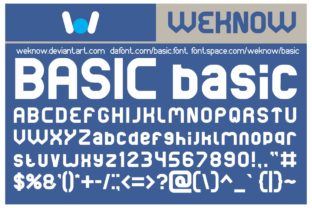
The font Basic is more than just a typeface—it's a tool that can shape how your message is received, understood, and remembered. With its deliciously rounded and well-balanced design, Basic brings a casual yet professional feel to any text it touches. This makes it especially useful for audiences who value clarity, approachability, and visual harmony. Whether you're crafting brand materials, designing user interfaces, or creating content for print or digital media, the thoughtful application of Basic can significantly impact your outcomes.
Basic is a display font that blends simplicity with character. Its rounded edges and even weight give it a friendly, familiar tone while maintaining readability across different sizes and mediums. This unique balance allows it to serve multiple purposes without compromising on aesthetics or legibility. When used strategically, Basic can enhance the visual storytelling of your content and support your broader communication goals.
Why Basic Is a Strategic Choice for Communication
In today’s fast-paced world, attention spans are short, and first impressions matter. Choosing the right font can be a subtle but powerful way to guide your audience’s experience. Basic offers a clean, modern look that aligns well with brands and projects aiming to communicate professionalism, accessibility, and warmth simultaneously.
For example, if you’re launching a new product or service, using Basic in your marketing materials can help create an inviting atmosphere while still conveying reliability. It’s not overly stylized, so it doesn’t distract from your message, yet it has enough personality to stand out in a sea of generic sans-serif fonts.
Consider how Basic might fit into your brand identity. If your brand values simplicity, transparency, or community, this font could reinforce those ideals through its design language. The key is to match the font to the tone and intent behind your message.
When to Use Basic for Maximum Impact
Basic is best suited for use cases where readability and approachability are priorities. Here are some practical scenarios where Basic shines:
- Headlines and subheadings: Basic’s balanced structure makes it ideal for drawing attention without overwhelming the reader. It works particularly well in editorial layouts, presentations, and websites.
- Brand assets: From logos to packaging, Basic provides a consistent and memorable visual presence. Its versatility ensures it adapts well to different applications.
- User interfaces: In digital products, Basic can improve user experience by ensuring text remains legible at various screen sizes and resolutions.
- Educational materials: For textbooks, learning modules, or online courses, Basic supports long-form reading with its clear, uncluttered style.
However, it’s important to consider when not to use Basic. Avoid using it in situations where high contrast or strong visual hierarchy is required. For instance, in technical documentation or legal texts, a more structured and formal font may be more appropriate.
Planning Your Use of Basic: Key Considerations
Before integrating Basic into your design workflow, take time to evaluate your specific needs. Ask yourself the following questions:
- What is the primary purpose of the text? Is it to inform, persuade, or entertain?
- Who is my target audience? Does Basic align with their expectations and preferences?
- How will the text be viewed? On screens, in print, or across multiple platforms?
- What other design elements will accompany the text? How does Basic complement or contrast with them?
These considerations ensure that your use of Basic is intentional rather than random. It’s also wise to test Basic in different contexts before finalizing your design choices. Previewing how it looks in various sizes, colors, and backgrounds can reveal potential issues you may not have noticed initially.
Another strategic move is to pair Basic with complementary fonts. For instance, using a sans-serif font for body text and Basic for headlines can create a cohesive yet dynamic visual rhythm. This approach helps maintain readability while adding depth to your layout.
Risks of Using Basic Without Strategy
While Basic is versatile, it’s not a one-size-fits-all solution. Using it indiscriminately can lead to inconsistencies in your brand voice or misalignment with your audience’s expectations. For example, if your brand is known for being edgy or avant-garde, Basic’s casual style may not resonate as intended.
Additionally, overusing Basic across all elements of your design can result in a lack of visual interest. It’s essential to use it selectively—perhaps reserving it for key headings or focal points rather than applying it universally.
To avoid these pitfalls, establish clear guidelines for when and how to use Basic within your design system. This ensures consistency and reinforces your brand’s identity without diluting its impact.
Practical Tips for Implementing Basic Effectively
If you’re ready to incorporate Basic into your work, here are a few actionable tips to guide you:
- Use it for emphasis: Apply Basic to titles, call-to-action buttons, or highlights where you want to draw attention without being intrusive.
- Test it across platforms: Ensure that Basic maintains its legibility and aesthetic appeal on both desktop and mobile devices.
- Experiment with spacing: Adjust letter and line spacing to enhance readability, especially in longer passages.
- Pair it wisely: Combine Basic with fonts that provide contrast in weight or style to create visual interest and hierarchy.
By implementing these strategies, you’ll maximize the effectiveness of Basic while minimizing the risk of misuse. Remember, the goal is not to follow trends blindly but to make informed decisions that align with your overall objectives.
Ultimately, Basic is a font that rewards thoughtful application. Its simplicity should not be mistaken for lack of sophistication. Instead, it represents a deliberate choice to prioritize clarity, comfort, and connection in every piece of communication it supports.
Whether you’re an entrepreneur building your brand, a designer refining your portfolio, or a writer seeking to engage your readers, understanding how to use Basic effectively can elevate your work and help you achieve better results. The key is to approach it with intention, strategy, and a clear vision of what you want to accomplish.