Advice as a Design Tool: Elevating Creativity with an Elegant and Futuristic Font
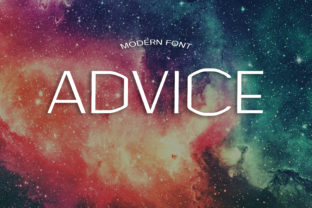
Advice is more than just a font—it’s a design tool that bridges the gap between form and function. With its sleek, modern aesthetic and highly readable structure, Advice feels incredibly elegant and futuristic, making it a standout choice for designers, creators, and professionals who want to turn any design idea into something truly remarkable. Whether you're crafting branding materials, developing digital interfaces, or producing editorial content, Advice offers a versatile and refined visual language that enhances clarity, professionalism, and creativity.
The Role of Advice in the Design Process
Advice fits naturally into multiple stages of the design process. It can be used during the initial concept phase to set a visual tone, applied during execution to maintain consistency, or even after completion to refine typography across various platforms. Its clean lines and balanced proportions make it suitable for both minimalist and complex layouts, ensuring that your message remains clear and impactful.
Before starting a project, consider how Advice aligns with your brand's voice and the emotions you want to evoke. Does it feel too formal? Too casual? Can it adapt to different media like print, web, or video? Answering these questions early helps prevent rework later on.
Using Advice in the Planning Stage
During the planning stage, Advice can serve as a reference point for visual direction. Use it to create mood boards, mockups, or wireframes that reflect the intended look and feel of your final product. Its futuristic appeal makes it ideal for tech-related projects, while its elegance suits luxury brands or high-end publications.
Consider pairing Advice with complementary fonts for headings, body text, or accents. This ensures visual hierarchy and prevents monotony. Tools like Adobe Fonts or Google Fonts can help you find matching typefaces that work well together.
Implementing Advice During Execution
Once the planning phase is complete, it's time to bring your vision to life. Advice works seamlessly with design software such as Adobe Illustrator, Photoshop, or Figma. Its scalability ensures that it looks sharp at any size, whether you're designing a logo or a mobile app interface.
When working on digital projects, ensure that Advice is properly embedded or linked in your CSS files. For print designs, verify that it renders correctly across different printers and paper types. These small details contribute significantly to the overall quality of your work.
Integrating Advice into Your Workflow
Advice isn't just a font; it's a tool that interacts with other elements in your workflow. It pairs well with vector graphics, photography, and illustrations, enhancing the overall composition without overpowering it. When used in conjunction with color theory, spacing principles, and alignment techniques, Advice becomes a powerful asset in your creative arsenal.
For digital marketers, Advice can elevate the readability of email campaigns, landing pages, and social media posts. Its clean appearance ensures that your message is communicated effectively, even when viewed on smaller screens or in low-resolution formats.
Entrepreneurs and small business owners can use Advice to build a cohesive brand identity. From website headers to packaging labels, maintaining a consistent typographic style reinforces brand recognition and trust among customers.
Practical Tips for Using Advice
- Test Across Platforms: Ensure that Advice looks good on all devices and screen sizes before finalizing your design.
- Use It Sparingly: While Advice is versatile, overusing it can lead to visual clutter. Reserve it for key elements like headlines or call-to-action buttons.
- Experiment with Weights and Styles: Many versions of Advice come with different weights (light, regular, bold) and styles (italic, condensed). Experiment to find what works best for your project.
- Stay Consistent: If using Advice alongside other fonts, maintain a consistent visual rhythm throughout your design.
Long-Term Benefits of Using Advice
One of the biggest advantages of using Advice is its long-term usability. Unlike trend-driven fonts that may become outdated quickly, Advice has a timeless quality that ensures your designs remain relevant for years to come. This makes it an excellent investment for businesses and individuals looking to build lasting visual identities.
Additionally, Advice supports multilingual characters, making it suitable for global audiences. Whether you're creating content in English, Spanish, Mandarin, or another language, Advice maintains its elegance and legibility across different scripts.
Its compatibility with various design tools and platforms also means that you won’t face technical barriers when implementing it. From desktop applications to web-based design suites, Advice is easy to integrate and use.
Organizing Your Typography Library
To maximize efficiency, organize your typography library by categorizing fonts based on their purpose—such as display, body, or accent. This helps you quickly locate the right font for each project without wasting time searching through endless options.
You can also create templates or presets within your design software that include pre-set styles for Advice. This streamlines your workflow and ensures that your designs maintain a consistent look and feel across different projects.
Conclusion
Advice is more than just a font—it's a strategic design element that enhances the visual impact of your work. By integrating it into your creative process, you can achieve a level of sophistication and clarity that sets your projects apart. Whether you're a professional designer, an entrepreneur, or a hobbyist, Advice provides the tools you need to transform your ideas into stunning, polished results.
With its elegant and futuristic appeal, Advice is a font that not only looks great but also functions exceptionally well in a variety of contexts. Embrace it as part of your workflow, and watch your designs reach new heights of professionalism and creativity.