Bavaria Font: A Futuristic Display Type for Modern Design
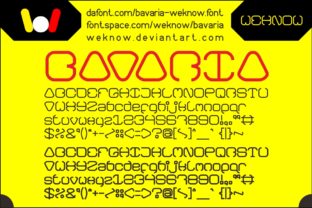
Bavaria is a techno-themed display font that stands out with its unique, futuristic style. Designed to evoke an alien aesthetic, it blends geometric precision with organic curves, creating a visual identity that feels both advanced and otherworldly. Whether used in digital interfaces, branding, or artistic compositions, Bavaria offers a bold alternative to more conventional typefaces.
What Is Bavaria?
Bavaria is a display font that emphasizes visual impact over readability. Its design incorporates sharp angles, asymmetrical shapes, and a mechanical feel, making it particularly well-suited for headlines, logos, and other applications where a strong visual statement is desired. Unlike traditional fonts, Bavaria avoids the clean, minimalist approach in favor of a more experimental and avant-garde look.
The name "Bavaria" may seem incongruous given the font's futuristic theme, but this contrast adds to its intrigue. It suggests a fusion of regional heritage with cutting-edge design, offering users a unique opportunity to blend tradition with innovation in their projects.
Why Consider Bavaria?
There are several compelling reasons to consider Bavaria for your design needs. First, its distinctiveness makes it ideal for standing out in a crowded visual landscape. In industries such as technology, gaming, and science fiction media, Bavaria can help reinforce themes of futurism and exploration.
Second, Bavaria’s versatility allows it to be adapted across various contexts. While it is primarily a display font, its structure and form can be manipulated through spacing, weight, and color to suit different purposes. This flexibility can make it a valuable asset in creative projects that require a dynamic typographic presence.
Third, the font’s alien-inspired design can be particularly effective in branding efforts aimed at younger audiences or niche markets that value uniqueness and originality. For designers looking to push boundaries, Bavaria provides a powerful tool to express unconventional ideas visually.
Benefits and Tradeoffs
The primary benefit of using Bavaria is its ability to create a strong first impression. Its bold, unconventional shapes can draw attention and convey a sense of innovation or mystery. This can be especially useful in marketing materials, website headers, or promotional content where grabbing attention is crucial.
However, there are tradeoffs to consider. Due to its stylized nature, Bavaria may not be suitable for long-form text or body copy. Its complexity can reduce legibility at smaller sizes, making it less practical for documents that require extensive reading. Additionally, its alien aesthetic may not align with all brand identities, so careful consideration is needed before adoption.
Another potential drawback is the learning curve associated with using Bavaria effectively. Designers unfamiliar with experimental typography may need to invest time in understanding how to best utilize the font’s features without overwhelming the viewer.
Situations Where Bavaria Fits Well
Bavaria is a strong fit for projects that prioritize visual impact and thematic consistency. It works particularly well in:
- Technology and Innovation Brands: Companies focused on emerging technologies, artificial intelligence, or space exploration can use Bavaria to reinforce a forward-thinking image.
- Creative Industries: Artists, musicians, and filmmakers working in genres like cyberpunk, sci-fi, or electronic music often seek fonts that match their conceptual vision.
- Event Branding: Festivals, conventions, or themed events that emphasize futuristic or alien concepts can leverage Bavaria to enhance their visual narrative.
- Digital Interfaces: Websites or apps with a high-tech or experimental tone can use Bavaria for buttons, banners, or call-to-action elements.
When Alternatives May Be Better
While Bavaria excels in specific scenarios, it may not be the best choice in others. If your project requires a more traditional or accessible typeface, alternatives like Helvetica, Arial, or even modern sans-serif fonts might be more appropriate. These options offer better readability and broader compatibility across platforms and devices.
Additionally, if your target audience prefers simplicity or professionalism, Bavaria’s complex and alien aesthetic could be off-putting. In such cases, opting for a cleaner, more familiar font would be more effective in maintaining user engagement and trust.
For projects involving multilingual content or international audiences, it's also worth considering whether Bavaria supports the necessary characters and scripts. Some display fonts may lack comprehensive language support, which can limit their usefulness in global contexts.
Practical Insights for Decision-Making
Before choosing Bavaria, evaluate your project’s goals and audience. Ask yourself: Does this font align with the message I want to convey? Will it enhance or detract from the overall experience? Are there any usability concerns I should address?
It’s also wise to test Bavaria in different environments. How does it look on screens of varying sizes? Does it maintain clarity when used with different colors or backgrounds? These practical considerations can help you determine whether Bavaria is the right choice for your needs.
Finally, consider the context in which the font will be used. If Bavaria is intended for a limited scope—such as a logo or headline—it can be a powerful tool. However, if it’s meant for extended use, exploring more versatile alternatives may be necessary.
Ultimately, Bavaria is a distinctive font that can elevate the visual appeal of your work when used appropriately. By carefully weighing its benefits and limitations, you can make an informed decision that aligns with your creative and functional requirements.