Lightbrush: A Display Font with Organic Charm for Design Projects
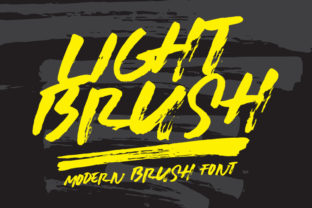
Lightbrush is a display font that stands out for its authentic and raw aesthetic. Designed to feel unpolished yet elegant, it offers a unique visual texture that can elevate the character of any design project. Whether you're working on branding materials, editorial layouts, or digital interfaces, Lightbrush provides an organic and unfiltered touch that sets it apart from more conventional typefaces.
What Is Lightbrush?
Lightbrush is a serif display font known for its hand-drawn appearance and subtle imperfections. These characteristics give it a sense of authenticity and make it feel more human than many digitally crafted fonts. It features soft curves, uneven stroke weights, and a slightly irregular baseline, which contribute to its natural look.
The font is available in multiple weights and styles, allowing designers to choose the right variation based on their specific needs. Its versatility makes it suitable for both print and digital applications, although it's particularly well-suited for use as a headline or accent font rather than body text.
Why Consider Lightbrush?
There are several reasons why Lightbrush might be of interest to designers and content creators:
- Unique Aesthetic: The font’s raw and organic feel can add personality and character to a design, making it ideal for projects that aim to convey creativity, craftsmanship, or a personal touch.
- Versatility: While primarily a display font, Lightbrush can be used effectively in a variety of contexts, including logos, posters, packaging, and website headers.
- Emotional Impact: The imperfections in the letterforms can evoke a sense of warmth and approachability, which can be especially effective in branding or marketing materials targeting niche or artisanal audiences.
Benefits and Tradeoffs
One of the main benefits of using Lightbrush is its ability to create a distinct visual identity. It can help differentiate a brand or project from competitors who rely on more standard or modern fonts. Additionally, its handcrafted appearance can align well with themes related to nature, sustainability, or small-scale production.
However, there are also some tradeoffs to consider. Because of its irregularity, Lightbrush may not be the best choice for projects requiring high legibility or consistency, such as long-form text or accessibility-focused designs. It’s also important to note that the font’s character may not appeal to all audiences—some users might find it too informal or inconsistent for professional settings.
Situations Where Lightbrush Is a Strong Fit
Lightbrush is particularly well-suited for projects where a more organic and unfiltered aesthetic is desired. This includes:
- Branding and Logos: For businesses that want to convey a sense of authenticity or handmade quality, Lightbrush can serve as a strong visual anchor.
- Editorial Design: Used sparingly in headlines or pull quotes, Lightbrush can add visual interest without overwhelming the reader.
- Artistic and Creative Projects: From zines to gallery invitations, Lightbrush complements creative work that values individuality and expression.
- Digital Interfaces: As a secondary font for buttons, headings, or call-to-action elements, Lightbrush can enhance the user experience with a more tactile feel.
When Alternatives May Be Worth Considering
While Lightbrush has its strengths, there are scenarios where other fonts may be more appropriate. For instance, if your project requires a clean, modern, or highly readable typeface, alternatives like Helvetica, Roboto, or Lato could be better choices. These fonts offer greater consistency and legibility, which is crucial for long-form content or websites targeting a broad audience.
If your design needs to maintain a formal tone or adhere to strict typographic standards, a more structured display font like Playfair Display or Baskerville may be more suitable. These options provide elegance without the irregularities that define Lightbrush.
Practical Decision-Making Insights
When deciding whether to use Lightbrush, it’s important to consider the overall goals of your project. Ask yourself:
- Does the design need a unique or unconventional aesthetic?
- Will the font complement the message or theme of the content?
- Is the font appropriate for the intended audience and context?
- Can the font be used consistently across different media and sizes?
Testing Lightbrush in different environments—such as on screen, in print, and at various sizes—can also help determine how well it performs in practice. Pairing it with more traditional fonts for body text can help balance its distinctive look while maintaining readability.
Ultimately, Lightbrush is a great option for designers looking to add a sense of authenticity and character to their work. However, it should be used thoughtfully and strategically to ensure it supports—not detracts from—the overall design vision.