Playful Typography with Listings: A Cute and Quirky Font for Your Design Projects
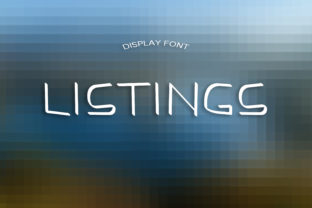
Looking for a font that adds charm, character, and a touch of whimsy to your design projects? Listings is the perfect choice. This playful and cute display font brings a sense of fun and personality to any creative endeavor, from logos and branding to social media posts and invitations. With its slightly wobbly and quirky style, Listings feels like a warm hug in typeface form—perfect for those who want to stand out while keeping things light and approachable.
Why Choose Listings?
Listings is more than just another font—it's a statement. Designed for visual appeal, it works best in headlines, banners, or anywhere you want to capture attention with a friendly and inviting look. Its unique quirks make it ideal for businesses targeting younger audiences, creative professionals, or anyone looking to inject some personality into their designs.
Many designers choose Listings because it’s versatile enough to work across multiple platforms and media types. It can be used in print or digital formats, making it a valuable asset for freelancers, entrepreneurs, and small business owners aiming to build a cohesive brand identity.
Common Mistakes When Using Listings
While Listings is an excellent font, there are common pitfalls that can undermine its effectiveness. One frequent mistake is using it for body text instead of headlines. Because of its stylized appearance, Listings can become difficult to read when used in long paragraphs. This can reduce readability and create a less professional impression, especially in formal contexts.
Another error is applying it to all elements of a design without considering balance. Overusing Listings can lead to visual clutter, making the overall composition feel chaotic. For example, if you use it for headings, buttons, and captions simultaneously, the design might lose its focus and impact.
A third mistake is not checking how the font renders on different devices and screen sizes. Since Listings has a slightly wobbly effect, it may appear distorted or unclear on low-resolution screens or mobile devices. Always test your designs across various platforms before finalizing them.
How These Mistakes Affect Your Designs
Misusing Listings can result in poor user experience, decreased engagement, and even confusion among viewers. If your message is hard to read or your visuals feel unbalanced, your audience may not get the intended message or emotional response.
Additionally, incorrect usage can affect the professionalism of your brand. While Listings is great for adding playfulness, it should be used strategically. Overuse can dilute its impact and make your brand appear inconsistent or unpolished.
Practical Advice for Using Listings Effectively
To avoid these issues, consider the following tips:
- Use Listings for headlines and accents only: Reserve Listings for titles, call-to-action buttons, and decorative elements where its playful nature can shine without compromising readability.
- Balance with simpler fonts: Pair Listings with clean, sans-serif fonts for body text. This creates contrast and ensures your content remains easy to read.
- Test across devices: Always preview your designs on desktops, tablets, and smartphones to ensure Listings looks good in every context.
- Limit color variations: Stick to one or two colors when using Listings to maintain visual harmony and prevent overwhelming your audience.
What to Check Before Using Listings
Before incorporating Listings into your project, take time to evaluate the following:
- Legibility: Ensure that the font is readable in your chosen size and context. Test it with different text lengths and spacing.
- License terms: Review the font license to confirm whether it’s appropriate for commercial use, web embedding, or print production.
- Compatibility: Make sure Listings works well with your design software and file formats. Some fonts may not render correctly in certain programs.
- Brand alignment: Consider whether the playful tone of Listings aligns with your brand’s voice and image. It’s a great fit for casual or creative brands but may not suit more formal settings.
Realistic Examples and Better Approaches
Let’s say you’re designing a poster for a children’s birthday party. Using Listings for the headline “Happy Birthday!” will immediately convey the festive and fun atmosphere. However, using it for the event details could make the information harder to read. Instead, pair it with a simple sans-serif font for the body text.
Another example is creating a website banner for a boutique store. Listings can be used for the tagline “Shop with Joy” while using a more traditional font for product descriptions. This maintains a balance between creativity and clarity.
If you're unsure about how Listings will look, try downloading a free version or using a font viewer tool to see how it appears in different scenarios. This helps you make informed decisions before committing to a full purchase or integration.
By understanding the strengths and limitations of Listings, you can make better choices that enhance your designs rather than detract from them. Whether you're a beginner or a seasoned designer, this playful font can add a delightful touch to your work—if used wisely.