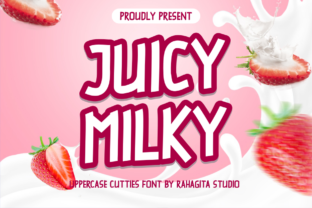
Mamake: A Nature-Inspired Display Font for Designers and Creatives
Mamake is a display font that draws its inspiration from the natural world, offering a unique blend of organic shapes and structured elegance. Designed to stand out in visual compositions, Mamake is ideal for projects where a touch of nature meets modern typography. Whether you're crafting a logo, designing a poster, or working on a website header, this font brings a fresh perspective that can elevate your creative work.
What Makes Mamake Distinct?
The defining feature of Mamake is its organic feel. Unlike traditional sans-serif or serif fonts that follow rigid geometric forms, Mamake mimics the fluidity and irregular beauty found in nature. This includes subtle curves, uneven strokes, and a handcrafted appearance that gives it an authentic, artisanal quality.
Its character set includes both uppercase and lowercase letters, numbers, and symbols, making it versatile for various design applications. The font also features a range of weights and styles, allowing designers to adjust the look depending on the project's needs. This adaptability ensures that Mamake can be used in both minimalist and complex designs without losing its charm.
Comparing Mamake with Similar Fonts
When considering alternatives to Mamake, several other nature-inspired or organic-style fonts come to mind. Fonts like Brush Script, Great Vibes, and Lobster share some similarities in their flowing, cursive forms. However, these fonts often lean more towards script styles, which may not be suitable for all design contexts.
In contrast, Mamake offers a balance between script-like fluidity and readability. It’s not as loose or informal as some script fonts, making it more appropriate for headlines, titles, and branding elements that require clarity while still maintaining a natural aesthetic.
Another category of fonts that might be compared to Mamake includes those with a hand-drawn or brushed style, such as Bell MT or Rockwell. While these fonts have a similar texture and feel, they tend to be heavier and less refined than Mamake. This makes Mamake a better choice for projects that need a lighter, more elegant look.
Strengths of Mamake
- Natural Aesthetic: The font's design reflects elements of nature, giving it a unique and visually appealing character.
- Versatility: With multiple weights and styles, Mamake can be adapted to a wide range of design needs.
- Readability: Despite its organic feel, Mamake remains highly legible, especially at larger sizes.
- Creativity Enhancement: Using Mamake can inspire new ideas and help create designs that stand out in a crowd.
Potential Tradeoffs
While Mamake has many strengths, it also comes with some limitations. For example, its organic style may not be suitable for all types of content. In situations where a clean, professional look is required—such as in corporate documents or technical reports—Mamake might not be the best fit.
Additionally, because it is a display font, it is not recommended for long blocks of text. Its design is optimized for headlines and short phrases rather than body copy. Designers should consider using a complementary font for longer passages to ensure readability and maintain the overall aesthetic of the design.
Best-Fit Situations for Mamake
Mamake shines in scenarios where a natural, artistic feel is desired. Here are some examples of when this font might be the right choice:
- Branding and Logos: Mamake can add a unique, nature-inspired touch to logos, especially for businesses related to wellness, sustainability, or outdoor activities.
- Posters and Flyers: Its bold and eye-catching style makes it perfect for promotional materials that need to grab attention quickly.
- Website Headers and Titles: When used in web design, Mamake can enhance the visual appeal of headers, banners, and call-to-action buttons.
- Artistic Projects: From digital art to print media, Mamake is a great choice for any creative endeavor that benefits from a more expressive typeface.
When to Consider Alternatives
Despite its versatility, there are instances where another font might be more appropriate. For example, if a project requires a high level of professionalism or a very formal tone, a classic serif or sans-serif font would likely be a better choice. Similarly, if the design needs to accommodate large amounts of text, a more readable and structured font would be necessary.
Designers should also consider the target audience when choosing a font. If the audience is more conservative or prefers traditional aesthetics, Mamake's unconventional style may not be well-received. In such cases, opting for a font that aligns more closely with the audience's expectations could be more effective.
Practical Examples and Comparisons
To illustrate how Mamake compares to other fonts, let's consider a few practical examples. Imagine designing a poster for a yoga retreat. Using Mamake as the headline font would immediately convey a sense of calm and connection to nature. In contrast, a font like Arial or Helvetica would provide a cleaner, more modern look but might lack the warmth and personality that Mamake offers.
On the other hand, if the same poster were intended for a tech conference, a more neutral and professional font would be more appropriate. In this case, Mamake's organic style might clash with the overall theme and could distract from the message being conveyed.
Another example is using Mamake for a wedding invitation. Its elegant and natural feel would complement themes centered around love, growth, and harmony. However, if the couple prefers a more traditional or vintage style, a font like Garamond or Times New Roman might be a better match.
Final Thoughts on Choosing Mamake
Ultimately, whether Mamake is the right choice depends on the specific needs of the project. It excels in situations where a unique, nature-inspired look is desired, but it may not be the best fit for every design scenario. By understanding its strengths, tradeoffs, and best-fit applications, designers can make informed decisions that align with their creative goals.
As with any design tool, experimenting with different fonts and seeing how they interact with other elements of the composition is key. Mamake offers a distinctive option that can bring a fresh perspective to any project, provided it is used in the right context and paired with appropriate supporting elements.