JellyBean: A Playful Font for Creative Projects
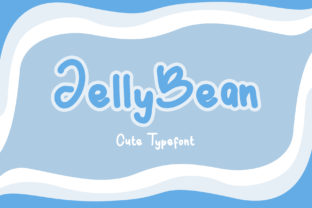
JellyBean is a sweet, soft hand-lettered display font that brings a sense of charm and whimsy to any design. Its playful rounded characters give it a unique personality that stands out from more traditional typefaces. Designed with creativity in mind, JellyBean is ideal for projects that require a touch of fun and authenticity. Whether you're designing wedding invitations, crafting stationery, or creating eye-catching social media posts, this font adds an inviting feel that resonates with audiences.
What Makes JellyBean Unique
JellyBean's distinctiveness lies in its hand-lettered style, which gives it an organic, personal touch. Unlike many digital fonts that feel uniform and mechanical, JellyBean has subtle variations in stroke weight and character shape that mimic the natural flow of handwriting. This makes it especially well-suited for projects where a human touch is desired.
The rounded edges of each letter contribute to its soft and approachable appearance. This feature makes JellyBean particularly effective for designs targeting younger audiences or those looking to convey warmth and friendliness. The font's overall aesthetic is reminiscent of children’s books or vintage illustrations, making it versatile for a wide range of creative applications.
When to Choose JellyBean Over Other Fonts
While there are many display fonts available, JellyBean offers something different. It excels in situations where a designer wants to evoke a sense of playfulness without sacrificing readability. Compared to other cursive or script fonts, JellyBean maintains a level of clarity that ensures the message remains legible even at smaller sizes.
For instance, when creating greeting cards, JellyBean can add a personal flair that feels genuine. In contrast, a more elaborate script font might appear too ornate or difficult to read. Similarly, in social media design, where quick readability is important, JellyBean strikes a balance between visual appeal and functionality.
If your project requires a font that feels both artistic and accessible, JellyBean may be the right choice. However, if you need a font with more formal or professional characteristics, such as for business reports or academic documents, a serif or sans-serif font would likely be more appropriate.
Strengths and Limitations of JellyBean
JellyBean shines in its ability to convey emotion and personality through typography. Its strengths include:
- Playful Design: The rounded, hand-lettered style makes it perfect for creative and lighthearted projects.
- Versatility: It works well across various mediums, including print, digital, and web-based content.
- Readability: Despite its stylized look, the font remains easy to read, even in smaller sizes.
However, there are also some limitations to consider. JellyBean may not be the best option for projects requiring a highly structured or formal tone. Additionally, while it is suitable for short text elements like headlines or titles, it may not be ideal for large blocks of body text due to its decorative nature.
Practical Use Cases for JellyBean
JellyBean is particularly well-suited for specific types of design work. Here are a few examples of how it can be effectively used:
- Wedding Invitations: The font's soft, romantic feel makes it an excellent choice for wedding-related materials. It can be used for names, dates, and other key details to create a charming and personalized invitation.
- Stationery Art: From thank-you notes to birthday cards, JellyBean adds a delightful touch to handmade or printed stationery. Its hand-lettered quality enhances the feeling of authenticity.
- Social Media Posts: When designing graphics for platforms like Instagram or Pinterest, JellyBean helps capture attention with its visually appealing style. It works well for captions, hashtags, and promotional banners.
- Greeting Cards: Whether for birthdays, holidays, or special occasions, JellyBean can make a greeting card feel more personal and heartfelt.
In each of these scenarios, JellyBean provides a unique visual identity that aligns with the intended message and audience. However, it's important to consider the context and purpose of the design before deciding on the font.
Comparing JellyBean with Similar Fonts
While JellyBean has its own distinct qualities, it's helpful to compare it with similar fonts to understand when it might be the best fit. For example, compared to Great Vibes, another popular script font, JellyBean is less ornate and more readable. This makes it better suited for designs that need to maintain clarity while still being visually engaging.
Compared to Brush Script MT, JellyBean has a more modern and rounded appearance, which can be preferable for contemporary designs. On the other hand, Edwardian Script offers a more elegant and formal look, which may be more appropriate for certain types of formal invitations or branding.
Ultimately, the choice of font depends on the specific needs of the project. If a designer is looking for something that balances playfulness with practicality, JellyBean is an excellent option. However, if the goal is to achieve a more traditional or sophisticated look, alternative fonts may be more suitable.
Design Tips for Using JellyBean Effectively
To get the most out of JellyBean, consider the following tips:
- Use It Sparingly: Since JellyBean is a display font, it works best when used for headlines, titles, or short phrases rather than long paragraphs of text.
- Pair with Complementary Fonts: To maintain readability, pair JellyBean with a clean sans-serif or serif font for body text. This combination ensures that the design remains balanced and easy to read.
- Experiment with Color and Size: JellyBean looks great in a variety of colors and sizes. Experimenting with different color schemes and sizing options can help highlight its playful nature while ensuring it fits within the overall design.
By considering these factors, designers can use JellyBean in a way that enhances their creative projects without compromising on functionality or aesthetics.
Conclusion
JellyBean is a versatile and expressive font that brings a sense of playfulness and authenticity to creative projects. Its hand-lettered style and soft, rounded characters make it ideal for a wide range of applications, from wedding invitations to social media graphics. While it may not be the best fit for every design scenario, it offers a unique blend of charm and readability that can elevate any project.
As with any design choice, the key is to consider the context, purpose, and audience of the project. By understanding the strengths and limitations of JellyBean, designers can make informed decisions about whether it's the right font for their needs. Whether you're looking to add a touch of whimsy to your next design or simply exploring new creative tools, JellyBean is definitely worth considering as part of your typography toolkit.