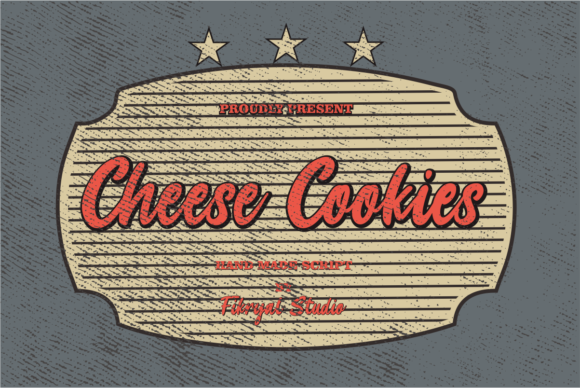
Cheese Cookies Font for Nostalgic Design
In a world of sleek, modern typography, the Cheese Cookies font stands out as a charming exception. With its playfully nostalgic display style and handwritten feel, it evokes memories of childhood and simpler times. This font isn't just about aesthetics—it's about connecting with audiences on an emotional level. Whether you're designing a vintage-themed poster, crafting a personal blog, or creating branding that feels warm and approachable, Cheese Cookies can be the perfect choice.
The Charm of Handwritten Typography
Typography is more than just text; it's a form of visual storytelling. The Cheese Cookies font brings a sense of authenticity and warmth to any design project. Its handwritten style mimics the natural flow of cursive writing, giving your content a personal touch. This makes it especially useful for projects that aim to evoke sentimentality, such as wedding invitations, birthday cards, or retro-style advertisements.
Designers who want to create a sense of intimacy or nostalgia often turn to fonts like Cheese Cookies. It’s ideal for brands that want to communicate a story—whether it's about heritage, community, or tradition. The font's playful yet heartfelt tone allows it to fit into both casual and professional contexts seamlessly.
Why Cheese Cookies Works for Modern Design
While many fonts are designed to be minimal and clean, Cheese Cookies offers something different. It's a font that doesn’t shy away from imperfection. The slight irregularities in the letterforms give it a human feel, making it stand out in a sea of uniform digital typefaces. This unique quality can help your designs feel more genuine and relatable.
For example, if you're running a small business with a vintage-inspired brand identity, using Cheese Cookies in your logo or packaging could reinforce that theme. It adds character without overwhelming the viewer. The font is also great for headlines or call-out sections where you want to draw attention with a touch of whimsy.
Who Can Benefit from Using Cheese Cookies?
Cheese Cookies is particularly well-suited for creators, marketers, and entrepreneurs looking to build a brand with personality. Bloggers and content creators might use it to add a personal flair to their titles or headers, helping them connect more deeply with their audience. Educators and publishers could incorporate it into materials aimed at younger audiences or those interested in history and culture.
Freelancers working in graphic design, web development, or social media marketing may find this font invaluable when designing client presentations, promotional materials, or website headers. Its nostalgic appeal can help differentiate their work in a competitive market, offering a fresh perspective on traditional design elements.
Real-World Applications of Cheese Cookies
Let’s consider a few practical examples of how Cheese Cookies can enhance various projects:
- Marketing Materials: A local bakery aiming to highlight its artisanal roots might use Cheese Cookies in its packaging and signage to evoke a sense of tradition and craftsmanship.
- Social Media Posts: Influencers or small businesses can use this font in captions or image overlays to create a cohesive, vintage aesthetic across their platforms.
- Event Invitations: Wedding planners or event organizers might choose Cheese Cookies for invites to give guests a sense of occasion and nostalgia all at once.
- Blog Headers: Personal bloggers or lifestyle influencers can use it in their headers or featured images to make their content feel more inviting and authentic.
Each of these scenarios shows how Cheese Cookies can serve as a versatile tool for creative expression while still maintaining a clear purpose and message.
When to Use and When to Avoid Cheese Cookies
Like any font, Cheese Cookies has its place and its limitations. While it excels in situations that require a nostalgic or handcrafted look, it may not be the best choice for formal documents, technical manuals, or anything that demands high readability at small sizes. The font’s decorative nature means it works best as a display font rather than a body text option.
If you're targeting a more professional or academic audience, you might want to pair Cheese Cookies with a cleaner, more legible sans-serif font for body text. This way, you can enjoy the benefits of nostalgia-driven design without sacrificing clarity or professionalism.
It's also worth noting that while Cheese Cookies is highly expressive, it should be used thoughtfully. Overusing it or applying it to every element of a design can dilute its impact and make your project feel cluttered. Balance is key when integrating any decorative font into your work.
Getting Started with Cheese Cookies
If you're new to using Cheese Cookies, start by experimenting with different weights, spacing, and color combinations. Try pairing it with contrasting fonts to see how it interacts with other typographic elements. You can also explore how it looks in different formats—such as print, digital, or mobile—depending on your intended use.
Many design tools, including Adobe Creative Suite and online platforms like Canva, offer access to a wide range of fonts, including Cheese Cookies. If you're unsure where to find it, check your preferred design software's font library or search for it on reputable font marketplaces.
Remember, the goal is to use Cheese Cookies in a way that enhances your message, not distracts from it. Take time to understand how it fits within your overall design strategy and what kind of impression you want to leave on your audience.
Whether you're a designer, marketer, educator, or simply someone who appreciates the beauty of handwritten typography, Cheese Cookies offers a unique opportunity to bring warmth, personality, and nostalgia into your work. It's more than just a font—it's a bridge between past and present, helping you connect with your audience in a meaningful way.