Bigger
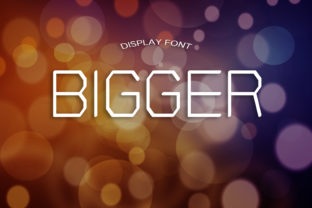
Bigger is a modern all-caps display font with a gorgeously light feel that can transform the visual impact of any design project. Its clean lines, balanced proportions, and subtle weight make it an ideal choice for headings, logos, and other prominent text elements. When used thoughtfully, Bigger can elevate the aesthetic quality of a design while reinforcing brand identity and message clarity. Whether you're crafting a website, designing a brochure, or creating a social media campaign, integrating Bigger into your typography strategy can help your work stand out in a crowded digital landscape.
Strategic Use of Bigger in Design Projects
The strategic use of Bigger goes beyond aesthetics; it's about making intentional decisions that align with your goals and audience expectations. A well-chosen font can influence how users perceive your brand, from professionalism to creativity. For example, using Bigger in a corporate presentation can convey confidence and clarity, while applying it to a creative portfolio might emphasize innovation and modernity.
When considering Bigger for your next project, think about the tone you want to communicate. The font's lightness makes it versatile but also requires careful pairing with other typefaces to maintain readability and balance. Pairing Bigger with a complementary sans-serif or serif font can create a visually appealing contrast that guides the reader's eye through the content effectively.
Planning Your Typography Strategy with Bigger
Before relying on Bigger as your primary display font, it's essential to plan your typography strategy carefully. Consider the context in which the font will be used, the target audience, and the overall design goals. A clear understanding of these factors ensures that Bigger enhances rather than distracts from the message you're trying to convey.
- Define the purpose: Is Bigger being used for headlines, subheadings, or body text? Each application may require different considerations.
- Assess the audience: Does the font align with the preferences and expectations of your target demographic?
- Evaluate the context: How does Bigger fit within the broader design system or brand guidelines?
By answering these questions upfront, you can avoid potential pitfalls such as poor legibility or inconsistent visual hierarchy. This planning phase sets the foundation for successful implementation and long-term brand consistency.
Practical Applications of Bigger
Bigger shines in various practical applications where visual emphasis and clarity are key. Here are some scenarios where incorporating Bigger could yield significant benefits:
- Headlines and titles: Bigger’s bold yet light appearance makes it perfect for drawing attention to important sections of a document or webpage.
- Logos and branding: The font's clean lines and minimalistic design contribute to a professional look that can be easily scaled across different platforms.
- Social media graphics: In fast-paced environments like Instagram or Twitter, Bigger helps ensure that your message is quickly understood at a glance.
- Presentations and slides: Using Bigger for slide titles or key points adds visual interest without overwhelming the viewer with too much text.
Each of these use cases highlights how Bigger can be leveraged strategically to support communication goals. However, it's crucial to consider how the font interacts with other design elements, such as color schemes, spacing, and imagery.
When to Avoid Bigger
While Bigger offers many advantages, there are situations where it may not be the best choice. For instance, if your design requires high readability in body text, Bigger might not be suitable due to its lighter weight and lack of ascenders and descenders typical in some serif fonts. Additionally, overusing Bigger without proper contrast or hierarchy can lead to visual clutter, reducing the effectiveness of your message.
It's also worth noting that Bigger may not perform optimally in low-resolution environments or when viewed from a distance. Always test the font in different contexts to ensure it meets your needs before finalizing your design.
Enhancing Communication with Bigger
Effective communication often hinges on the right combination of form and function. Bigger plays a vital role in this process by helping to establish visual hierarchy and reinforce key messages. When used correctly, it can guide the reader's attention, highlight critical information, and enhance the overall user experience.
Consider how Bigger influences the perception of your content. A headline styled in Bigger immediately signals importance, while subheadings in a complementary font provide structure and flow. This layered approach ensures that readers can navigate through the content effortlessly, absorbing information at their own pace.
Moreover, Bigger supports brand recognition by maintaining a consistent visual language across different touchpoints. Whether it's a website, print material, or digital ad, the font becomes part of your brand's identity, reinforcing trust and familiarity among your audience.
Best Practices for Using Bigger
To maximize the benefits of Bigger, follow these best practices:
- Use it sparingly: Reserve Bigger for headings and other focal points rather than applying it throughout the entire design.
- Create contrast: Pair Bigger with a contrasting font to add depth and dimension to your layout.
- Maintain readability: Ensure that the font size and spacing are appropriate for the medium and audience.
- Test in real conditions: View your design on different devices and screen sizes to confirm that Bigger performs well in all environments.
These practices help ensure that Bigger serves its intended purpose without compromising usability or accessibility. By approaching its use with intentionality, you can achieve a more polished and effective design outcome.
Long-Term Value of Integrating Bigger
Integrating Bigger into your design workflow offers long-term value by contributing to a cohesive and memorable brand identity. As your projects evolve, having a consistent typographic foundation allows for easier updates and adaptations while preserving brand integrity.
Additionally, the versatility of Bigger means it can grow with your business. Whether you're launching a new product, expanding into new markets, or updating your website, the font remains a reliable asset that supports your evolving needs. This adaptability ensures that your design choices remain relevant and impactful over time.
Finally, investing in thoughtful typography like Bigger demonstrates a commitment to quality and detail. This attention to design can differentiate your work from competitors and build stronger connections with your audience, ultimately leading to better engagement and long-term success.